
Post 31: Public grocery stores:
Could they be the solution?

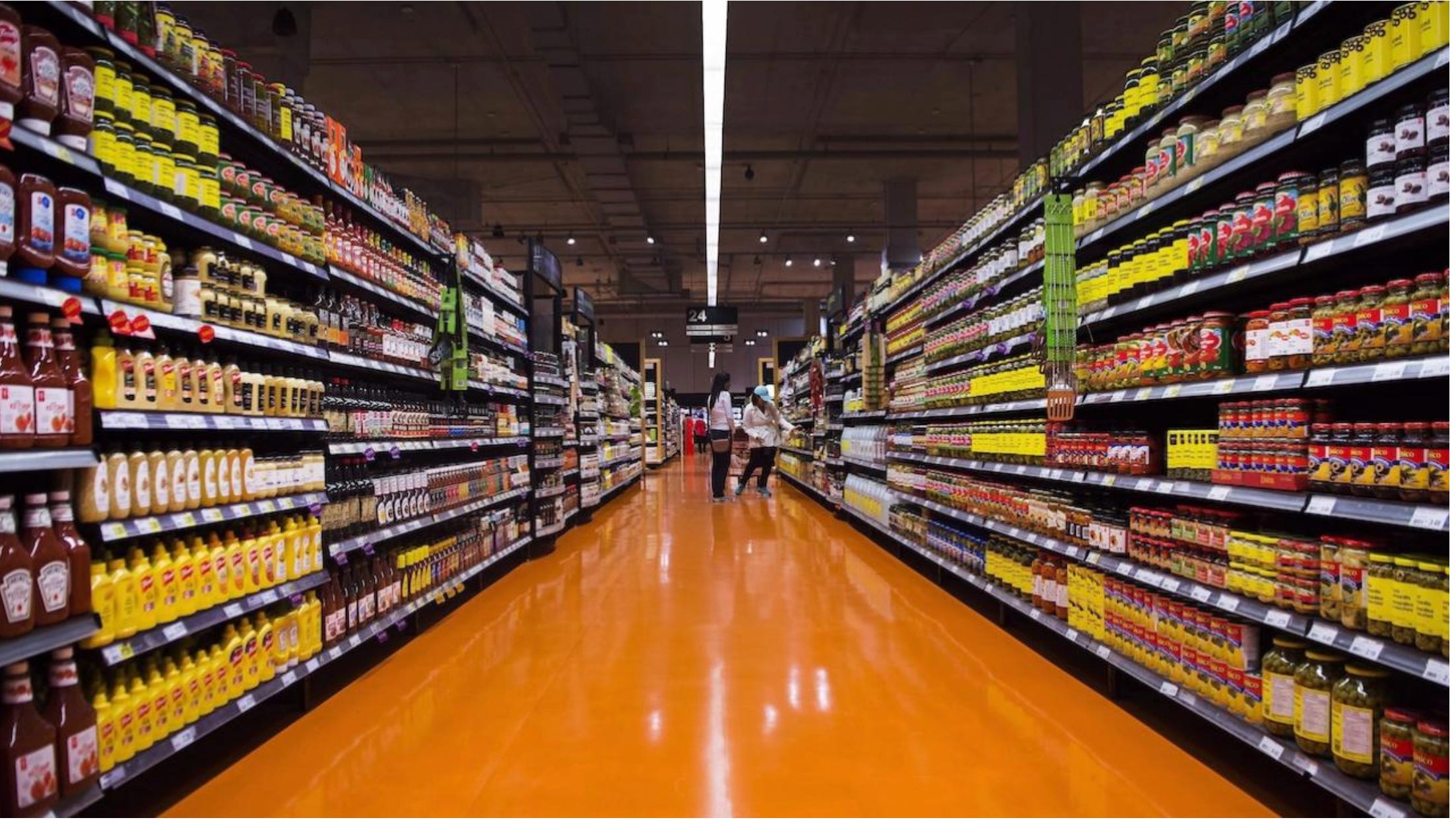
Rising food prices are leading people to seek alternatives ranging from food banks to community food centres. One of these alternatives, public grocery stores, has gained popularity, as Zohran Mamdani, the recently elected mayor of New York City, made affordability part of his platform. His plan included public grocery stores, free public transit, rent controls, and expanding public services.
A similar commitment to public grocery stores was made by the federal New Democratic Party Candidate, Avi Lewis, in Canada. Public groceries are part of his broader campaign for a national “public option” that challenges the concentration of economic power in Canada.
Mamdani and Lewis, as self-proclaimed socialists, started a red scare on social media among right-wing trolls. Critics of the public grocery stores initiative offer a wide range of criticisms. Some consider this a Marxist policy of government overreach in the private sector. John Catsimatidis, “whose $7.8 billion (revenue) Red Apple Group also owns a Pennsylvania oil refinery, some 400 convenience stores and a portfolio of real estate stretching from New York to Florida,” was comparing Mamdani to Fidel Castro, calling the idea of public grocery stores a “one big con game.”
Others mention the costs these projects might impose on taxpayers, the inefficiency and poor service of government-run bureaucratic ventures, or the inability of smaller public enterprises to compete with large chains that have greater purchasing and negotiating power in a sector where profit margins are already too small.
Another criticism was that these publicly run ventures could also offer a threat to bodegas, smaller corner store operations and independent grocers.
Most of these criticisms reflect the biases of those who either have a stake in the retail sector or do not understand what is meant by public enterprise and public good.
The retail market:
The global grocery retail market, estimated at around 11 trillion dollars in 2023, has become increasingly concentrated in recent years. Fewer companies, such as Walmart, Schwarz Group and Carrefour, control a larger share of the market. By 2023, in the US, the share of the top four companies (CR4) had increased to 67%. In Oklahoma, for example, Walmart alone accounted for 50.6% of grocery store cash flow (Canales and Johnson, 2024). In Canada, the top five retailers account for about 80% of the market. Since COVID-19, grocery e-commerce sales have grown fastest, rising 26.4% annually from 2019 to 2023, led by Walmart and Amazon.
Looking at trends in retail food environments from 2009 to 2023 across 97 countries, Scapin et al. 2025 observed increases in the density of chain outlets, grocery sales from chain retailers, unhealthy food sales per capita, and digital grocery sales, while non-chain outlet density and the ratio of non-chain to chain outlets declined over time. They point out that a rise in obesity prevalence accompanied this process. They also predict that rising e-commerce dominated by large chains would likely have negative implications for diets and health, particularly in lower-income countries.
Monitoring consumer price indices and food price inflation worldwide, the World Bank releases quarterly Food Security reports. In September 2025, they reported that food price inflation exceeded overall inflation (measured as the year-on-year change in the overall CPI) in 65 percent of the 161 countries for which both food and overall CPI indexes are available. According to this report, “moderate or severe food insecurity affected 2.3 billion people in 2024, equivalent to 28 percent of the world’s population.”
This status quo cannot be acceptable. As we face more uncertainties, unemployment, displacement due to climate change, economic crises, wars, and the rise of artificial intelligence in the coming decades, we need to explore how we can seek alternatives to monopoly capitalism and the injustices it imposes on us.
Public grocery is not a new invention:
Public ventures are not new inventions in market economies. Following the Great Depression, many state-owned enterprises helped keep the economy afloat by providing employment and services that private companies could not offer. Many public services, such as roads, bridges, public transportation, education, healthcare systems, and national defence, are provided by the state. To such an extent that most mistakenly identify the term ‘public’ not with the collective will and interests of the people, but with the state.
Nourish Scotland mentions the British/Civic restaurants that operated between 1940 and 1963. In 1943, over 2,000 British restaurants were providing nutritious, affordable meals to visitors (2/3 the price of alternatives). They were made possible by the Ministry of Food at the national level, which provided start-up support and regular subsidies to local governments.
Examples around the world can provide insight into the advantages and limitations of public grocery stores. Some of the best examples of public grocery stores, food banks, farmers’ markets, and public restaurants come from Brazil. My colleague Cecilia Rocha has been studying the municipality of Belo Horizonte, Brazil, and its food and nutrition policies for almost three decades. The food and nutrition security policies adopted by the Belo Horizonte government included school food programs, popular restaurants, food banks, discount food markets (Abastecer/Sacolão), and programs to support small family farmers in delivering their produce in the city. These initiatives were later adopted nationwide as part of the Zero Hunger program.
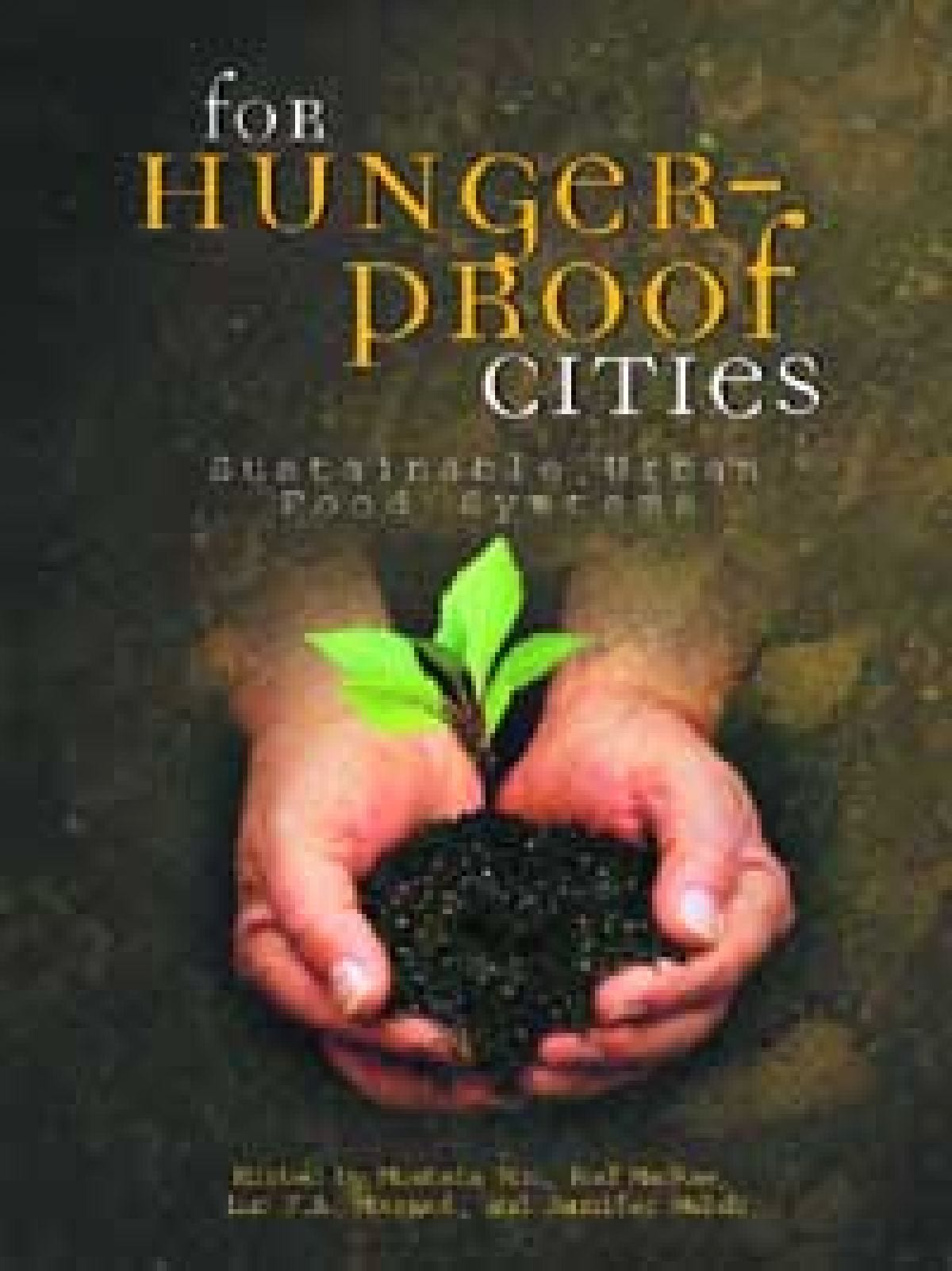
In our 1999 book, Hunger Proof Cities, my sister and I tell the story of a municipal staple store in Izmir, Türkiye, that eventually became a national supermarket chain. Launched in 1973 by the municipal government in my hometown, Izmir, as a mobile, low-cost sales program to address inflation, TANSAŞ opened its first store in 1976. In 1980, after the coup d’état, the social democratic mayor was removed from office. By 1984, it had been restructured into a corporate model. The number of stores rose from 26 to 86 by 1994. In 1996, when I visited the city hall to ask whether they had any public reports or documents about TANSAŞ, they tersely told me they had nothing to share. A couple of weeks after my return to Toronto, I decided to use one of the new online search engines to see if they had anything on TANSAŞ. To my surprise, I had two entries from the London and Frankfurt stock exchanges. TANSAŞ was quietly privatized by the local government, which sold 33% of its shares. By the late 1990s, TANSAŞ was the second-largest supermarket chain in the country. Acquired by the Doğuş Group in 1999 and by Migros in 2005, it had 270 branches. TANSAŞ was consolidated under the Migros brand following the 2015 acquisition of Migros by Anadolu Group. This rags-to-riches story demonstrates a couple of points:
Public grocery stores can be a valuable tool in providing accessible food items to urban residents, if they work for the public good.
Growth may not always be desirable for public ventures.
Changes in the political orientation of governments may dramatically affect the operations of public programs.
The Metropolitan Municipality of Istanbul introduced public bakeries, grocery stores, and restaurants, offering people affordable, healthy choices. In her column in Politico, former Turkish journalist and foreign policy fellow at the Brookings Institution, Aslı Aydıntaşbaş, argues that there is nothing outlandish about public markets, which have been tried everywhere by both left-wing and right-wing politicians. In Türkiye, public markets boosted Erdoğan’s popularity when he was the mayor of Istanbul, building enduring loyalty among working-class and low-income voters, and eventually harnessing that support to gain national power (Aydıntaşbaş, 2025).
In Toronto, the City of Toronto provides a list of public markets and a public market action plan. also offers a map and list of accessible spots for free or discounted foods provided by food banks, community fridges and discount supermarkets.
Redefining public good:
It is worth noting that public does not necessarily mean government-run. Non-governmental organizations could run them. In fact, food banks can be considered public service organizations. Oddly, none of the opponents of public grocery stores would attack them with the same passion. Could that be because they are not too picky about which foods they accept?
Public bakeries, markets, grocery stores, or food banks should be seen as public services that meet the needs of the broadest segments of the population. In oligopolistic markets, inflationary environments, during turbulent economic times, or in neighbourhoods or regions where market forces fail to provide such services, they become even more crucial.
We should remember that both the state and the market are key public institutions in complex societies, vital to people’s livelihoods and welfare. While the state regulates society by allocating and managing power through its institutions, the market manages exchange relations among producers, workers and users of goods and services. Both the state and the market are, in this sense, public institutions that must work for the public good.
I still have my hesitations about whether public grocery stores could remedy the failings of our food system. After all, the issue is not just the price or accessibility, but the quality and healthiness of the foods these stores provide. A series of articles published in The Lancet on “Ultra-Processed Foods and Human Health” highlight the association between non-communicable diseases and ultra-processed foods, driven by powerful global corporations that employ sophisticated political tactics to protect and maximize profits.
We should ask why major food processors do nothing to stop providing foods that can harm human health, why the WTO limit the abilities of governments to protect the health of their citizens by banning corporations from pushing these harmful products across borders, and why governments at various levels cannot stop agro-chemical manufacturers, food processors and retailers from poisoning our environment and our health. Unless we speak about these interlinked structural and systemic issues, we will not achieve a healthy, sustainable and just food system. We need to demand that all actors in the food system serve the public good, not shareholders’ or corporate sponsors’ interests.
We must also address the policies that put the harvesting of our fruits and vegetables in a system that relies on near-slavery of migrant farm workers. This needs redress as we imagine better retail options.
Food is defined by provincial departments. Could the resulting gap be the problem?